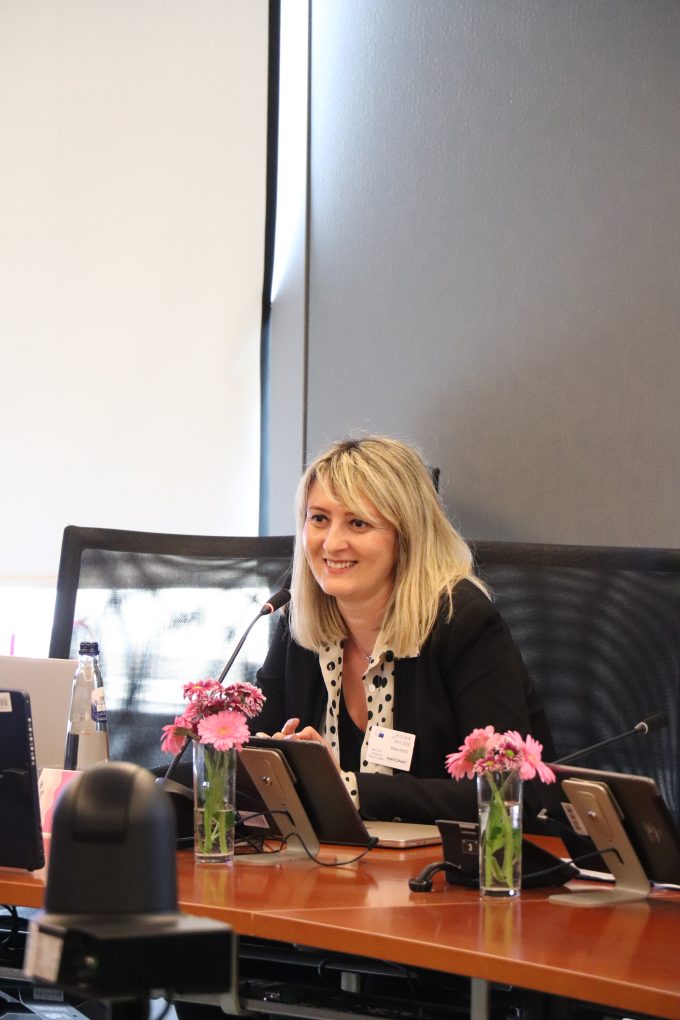
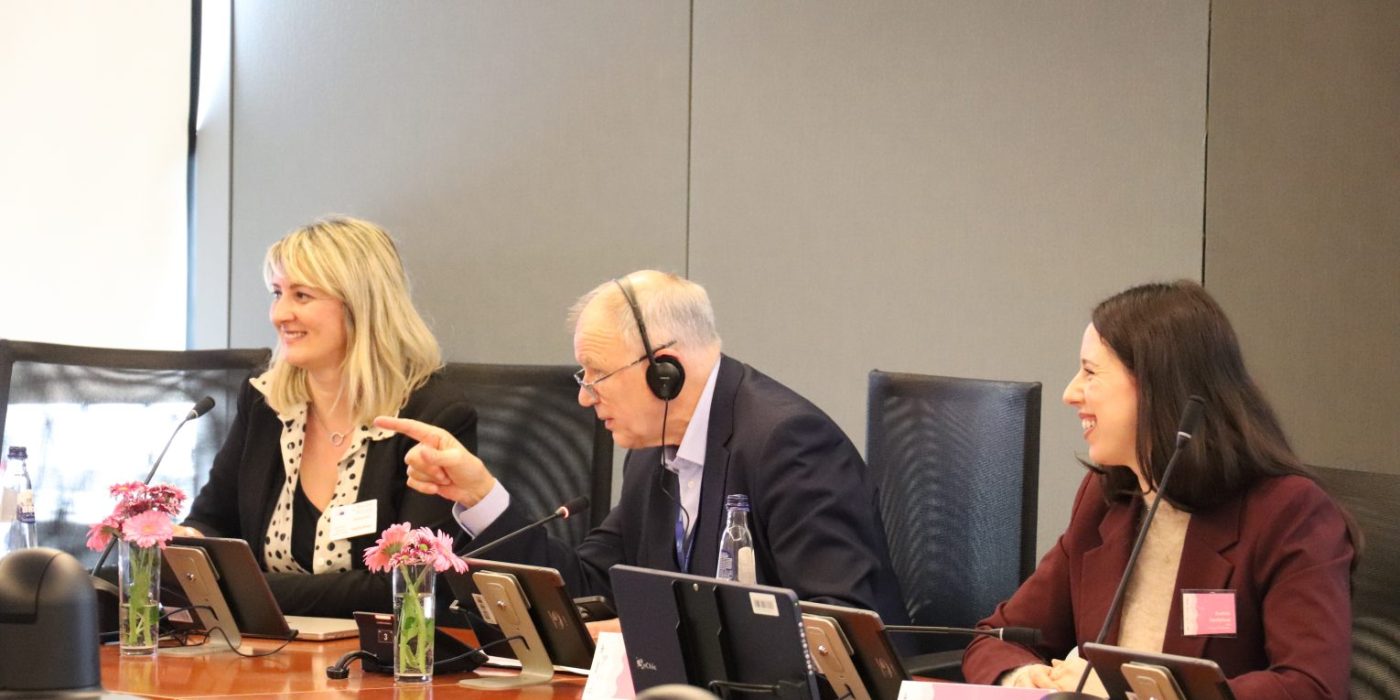
Current prevention and treatment policies are not assessing women’s specific needs, which limits prevention of substance-related harm and tailored recovery. Dr Mulka Nišić – EURAD’s long-standing expert on recovery – therefore brought her research on women’s recovery into the EU policy debate during a panel discussion in the European Parliament.
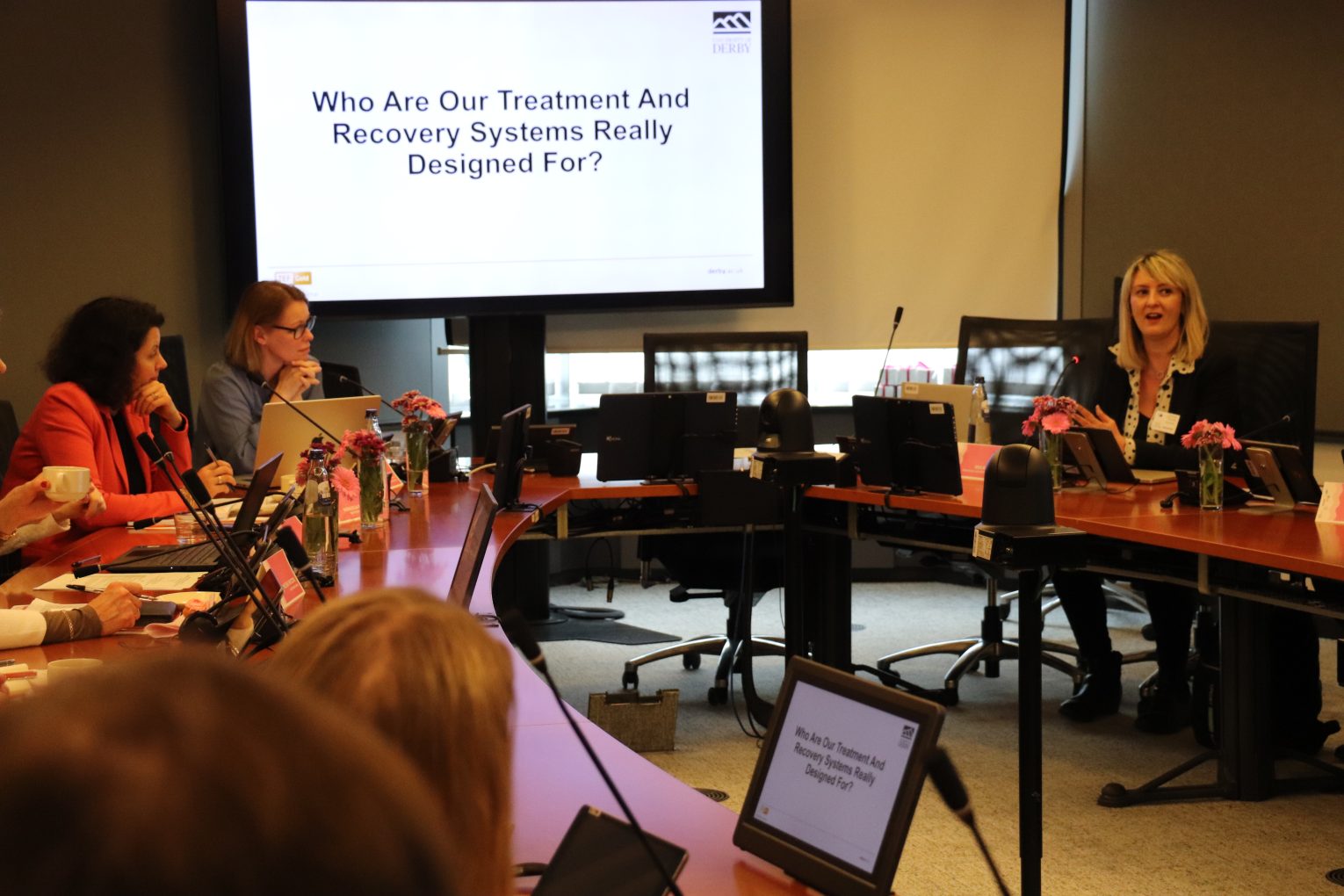
At the event “Advancing Women’s Health: What Gender Differences in Recovery Mean for Policy and Practice”, Dr Nišić (University of Derby) presented her research on women’s experiences of recovery across Europe. Her work examines for example how stigma, trauma, violence and socioeconomic circumstances shape recovery from addiction. These findings help policymakers identify gaps in current drug prevention, treatment and recovery services, including support for women who use or have used health-harming substances.
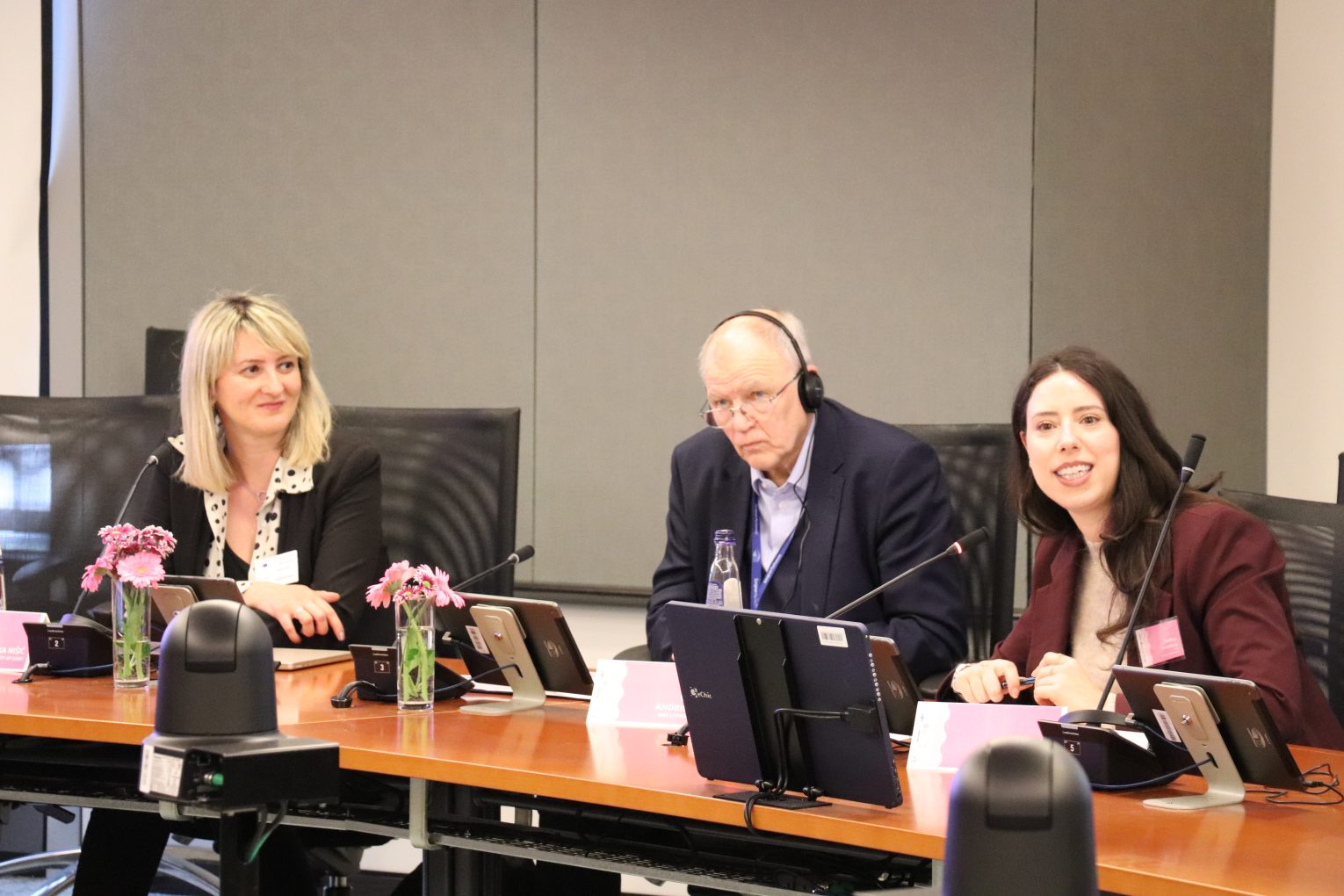
The panel discussion, hosted by MEP Manuela Ripa (EPP, Germany), brought together policymakers and civil society representatives to explore how the research can inform EU policy. MEPs Heléne Fritzon (S&D, Sweden), Nikos Papandreou (S&D, Greece) and Vytenis Andriukaitis (S&D, Lithuania) also participated, addressing gender differences in substance use, access to treatment and recovery services, and cooperation between EU Member States.
EU cooperation can strengthen drug prevention and recovery through research, data collection, funding and the exchange of best practices between Member States. By connecting research and national experiences with European policymaking, EURAD contributes to policies that prevent drug-related harm and support sustained recovery.
The event in the European Parliament was organised by Movendi Sweden, the Swedish Centre for Drug Policy (NPC), Movendi International and partner organisations, including the European Women’s Lobby.